
Outdoor Play and Learning (OPAL)
OPAL is an award-winning, mentor supported school improvement programme that is designed to strategically and sustainably improve the quality of school play opportunities.
'The outdoors offers limitless potential to young children. It becomes a place where they can go to relax their mind, to be inspired and to deep dive into the world of imagination. It's a place where they can design, create and explore. The possibilities are endless.' Angela Hanscom.
At Holy Trinity, we believe that play and learning are inseparable from each other. Playtime is 20% of a child’s school day and we want to make sure that this time is valued and celebrated. Not only does play provide an opportunity for physical development but it also provides important opportunities to learn about socialisation, co-operation, resilience, creativity and imagination – that is why play is at the very heart of our school ethos.
We apply the core OPAL principles to our playtimes:
High-Quality Play for All (No Exceptions)
- Universal Access: Play provision is designed to be accessible to every child, regardless of ability, background, or needs.
- "Amazing Every Day": The goal is to ensure every child has access to high-quality, engaging play opportunities every single day.
- Child-Centered: Play is defined as a process that is freely chosen, personally directed, and intrinsically motivated.
The Playwork Approach
- Staff Role: Adults act as facilitators who understand, celebrate, resource, and support the play process rather than just supervising or directing it.
- Cultural Change: The focus is on changing adult attitudes toward play, moving from viewing it as a "break" to recognizing it as essential learning.
-
Safe Risk-Taking: OPAL promotes that children need to encounter risks (e.g., climbing, rough-and-tumble) to learn how to assess and manage them.
-
"As safe as necessary, not as safe as possible": The aim is to balance safety with the benefits of challenging play, reducing serious injuries while allowing for "risky" play.
- Dynamic Risk Management: Staff practice "relaxed vigilance" to allow play to thrive rather than constantly intervening.
Rich, Diverse Environments
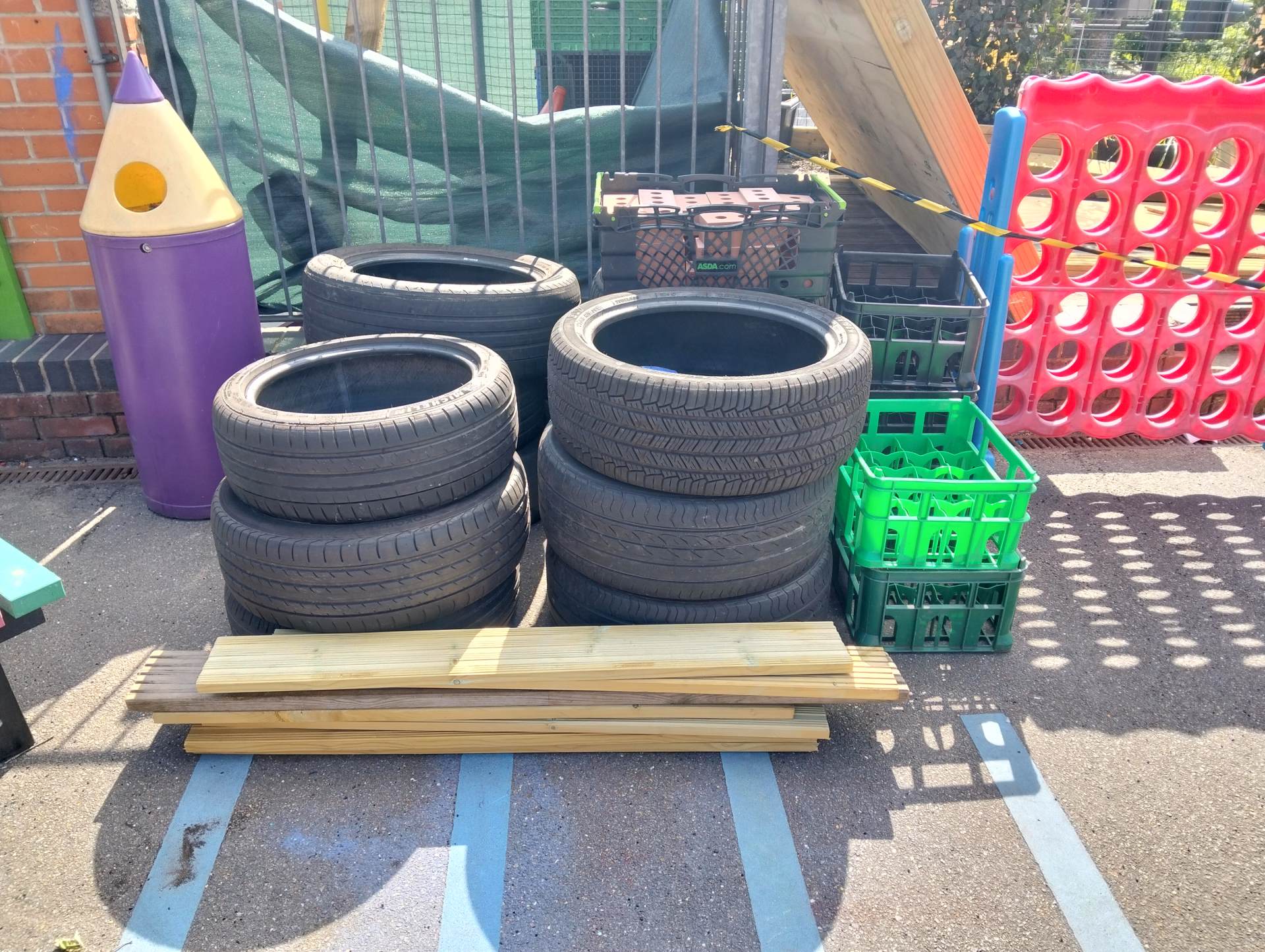
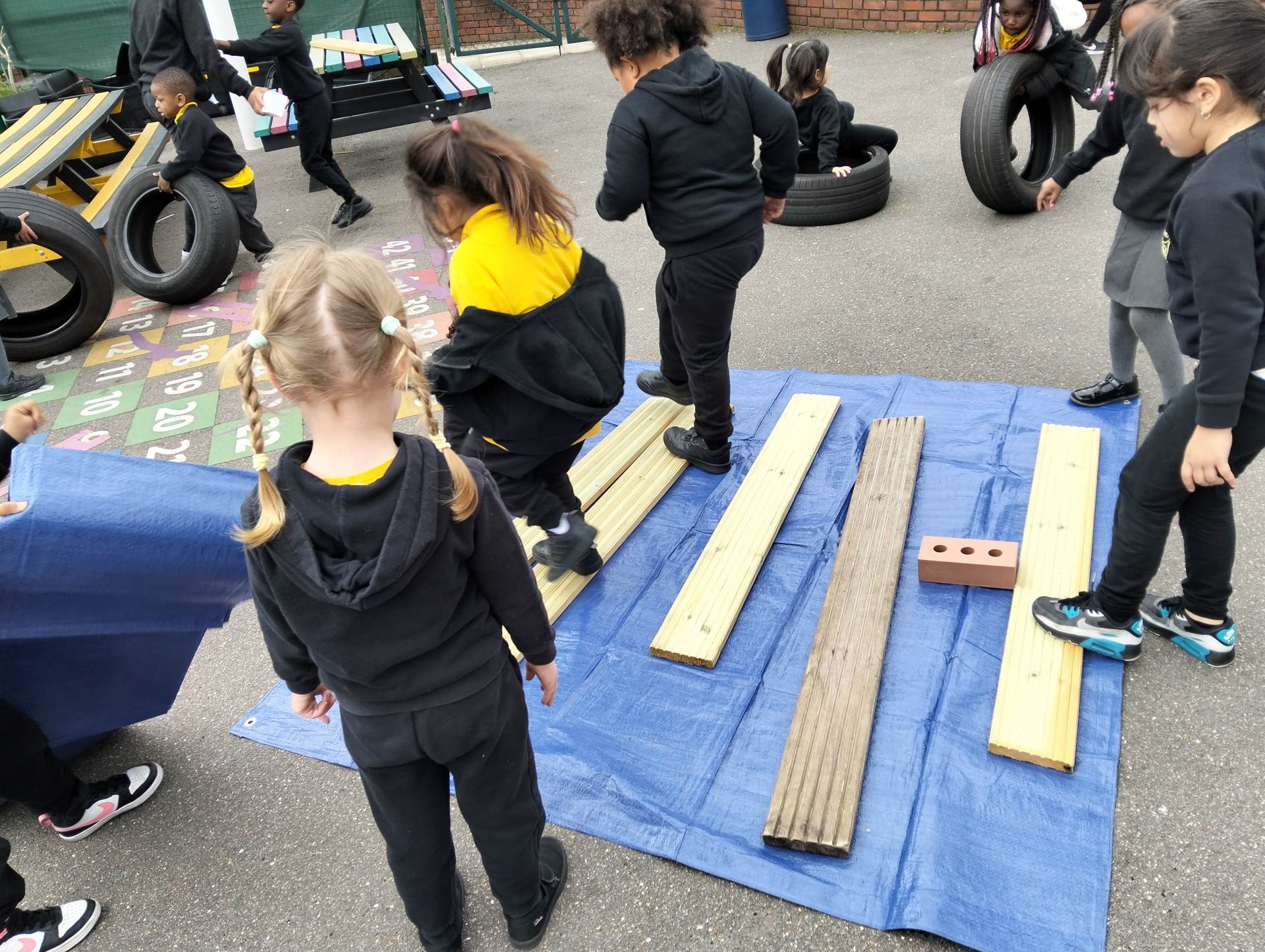
- Loose Parts: A fundamental element is the provision of "loose parts"—materials that can be moved, carried, combined, redesigned, lined up, taken apart, and put back together in multiple ways (e.g., tires, crates, planks, fabric).
- Variety: Play environments should offer opportunities for different types of play, including creative, imaginative, and physical play, regardless of weather.
- Access to Nature: Encouraging interaction with the natural environment (mud, trees, water)
Sustainability and Strategy
- Strategic Planning: Play is embedded into school policies, ensuring it is a long-term improvement rather than a temporary project.
- Evidence-Based: The approach is based on over 20 years of research into play and school improvement.
“Free play gives children an outlet to express their emotions and feelings and
helps them to develop a sense of who they are.”
Joan Santer and Carol Griffiths.